
Henrico Former Owner Record Sources
Tracing former owners in Henrico works backward from a current deed reference to earlier grantors. The county publishes no confirmed start year for its modern index, so treat that span as unverified. Older deed books, indexes, and plats offer a dated archival path instead.
| Source | Years It Covers | Where Held | What It Shows |
|---|---|---|---|
| Henrico SRA index | Online earliest year not located | Virginia Courts / COVERS | Index lead to recorded land instruments |
| Grantor and grantee indexes | 1781-1876; 1876-1907 | Library of Virginia microfilm | Party names and deed-book references |
| Henrico deed and will books | 1677 onward; deed books from 1781 | Library of Virginia and Clerk | Earlier transfers and land descriptions |
| Plat indexes and books | Index 1805-1975; books from 1815 | Library of Virginia and county | Subdivision and lot history |
Check the clerk's current records first for recent transfers. For older names, use the Library of Virginia index for that period. Then pull the deed book it points to and test the legal description against a plat.
Henrico's Online Deed Horizon
Virginia's Secure Remote Access system opens land-record indexes kept by circuit clerks across the state. Index-only viewing can be free where a clerk enables it. Document images carry their own rules, set by local authorization and subscription terms. Henrico publishes no firm online start year for its deed records. That gap matters for a property search. A missing online hit does not prove an earlier deed never existed. When an image is not online, use the clerk's Record Room. The room offers public computers for searching land records. Staff will not run a title search by phone. The Virginia Courts' Secure Remote Access page explains how index access works. It also spells out how image access differs statewide.
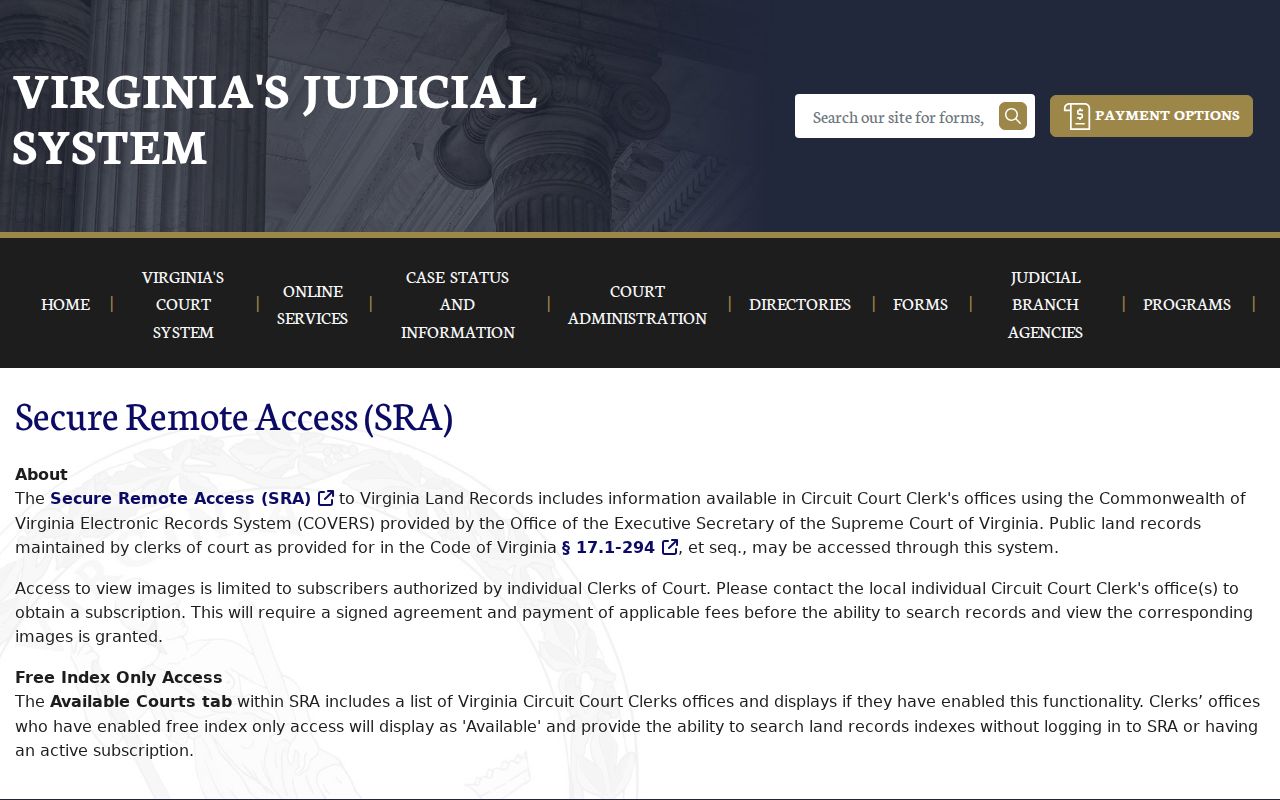
When the online span ends, keep going offline rather than guessing a cutoff year for the county index.
Henrico's British-Destroyed Records
The Library of Virginia catalog lists proceedings concerning Henrico deeds and wills. The British destroyed these records in filings dated 1774-1782. That loss is a documented break in the county's land-record story. A deed chain crossing those years may need support from neighboring books, court orders, wills, plats, or later deeds restating an earlier claim. Some researchers split that support across sources, so a deed chain crossing those years may lean on neighboring books, court orders, wills, or plats. Later deeds restating an earlier claim also help. A missing link does not sink the chain. Compare names, acreage, roads, streams, and adjoining owners across what survives. The older the property history, the more the full description earns a careful read. A modern street label alone can mislead.
Walk the Henrico Chain Backward
A chain of title links every prior transfer of a parcel. Start with the latest Henrico deed. Then work from each grantee back to the grantor who conveyed the land. Remember that the name index is not a parcel-only search. Spelling variants, married names, initials, trustees, executors, and entity names all change how a prior owner of record appears in the deed records.
- Capture the newest deed's grantee, grantor, book/page, recording date, and legal description.
- Search the grantor as a grantee in an earlier period and open the matching conveyance.
- Compare the tract description and adjoining owners before accepting it as the same land.
- Repeat until the online index stops, then continue with the right archival index and deed book.
- Grantor
- The party who conveyed an interest.
- Grantee
- The party receiving the interest.
- Chain of title
- The connected sequence of prior instruments.
- Legal description
- Land wording that can match a historic tract better than a street address.
For deed types, copy requests, and recording details, see the Henrico deed-record page. Keep the historical walk centered on previous owners and the order of transfers.
Henrico Plats Bridge Old Parcels
Modern property records identify a subdivision, section, block, and lot. Early deeds lean on acreage, roads, watercourses, and adjoining owners. Henrico's plat index spans 1805-1975, and plat books begin in 1815. A subdivision search can carry you from a present lot to its parent tract. Then it can reach the earlier deed book. Compare the lot and road layout on the recorded plan. Compare that with the legal description in the deed. GIS helps orient a search. An online parcel polygon is not a survey, though. When boundaries or easements matter, pull the actual recorded plat. Get a survey if the line on the ground is disputed.
Henrico Estate and Court Transfers
Not every prior owner sold by ordinary deed. Some transfers came through an executor's deed, an administrator's deed, a deed of distribution, or a commissioner's deed after a court-ordered sale. These documents read differently. The grantor may be an estate representative or court officer. Authority flows from a fiduciary qualification or a court order, not a purchase contract. Henrico Circuit Court keeps fiduciary and civil records alongside its land instruments. When a deed names an executor, administrator, trustee, or commissioner, search the estate or decedent name. Read the filed deed together with its case file. Death records carry their own confidentiality limits, while a probate file may hold the transfer details a vital-record search cannot supply.
Henrico Release Deed Books
The Library of Virginia catalog lists Release Deed Books 1 through 13, covering 1884-1899. These entries show how a mortgage, lien, or other recorded claim was released. A release is not a conveyance. Clearing an encumbrance does not by itself make someone the new owner of record. Start with the original deed of trust or lien. Then compare the parties and recording reference against the release. The clerk's land records include deeds of trust, assignments, modifications, releases, easements, and judgments. They also include mechanic's liens. A lien enforced in court may also have a civil file or order. That file can explain what happened to the property.
Henrico Chancery and Archives
A chain of ownership sometimes hinges on more than deeds. Inheritance disputes, partitions, creditor claims, and fights over land descriptions all landed in chancery court. Those cases can tie people to property in ways the deed book never shows. The Virginia Memory Chancery Records Index covers Henrico matters. County history materials also point to the Henrico History Archives, county libraries, and Library of Virginia collections for added context.
Treat the chancery index as a court-history lead rather than a deed substitute. Pull its locality and party results first. Then confirm any later transfer in the land records themselves. The Virginia Memory index is the official starting point for available chancery records.
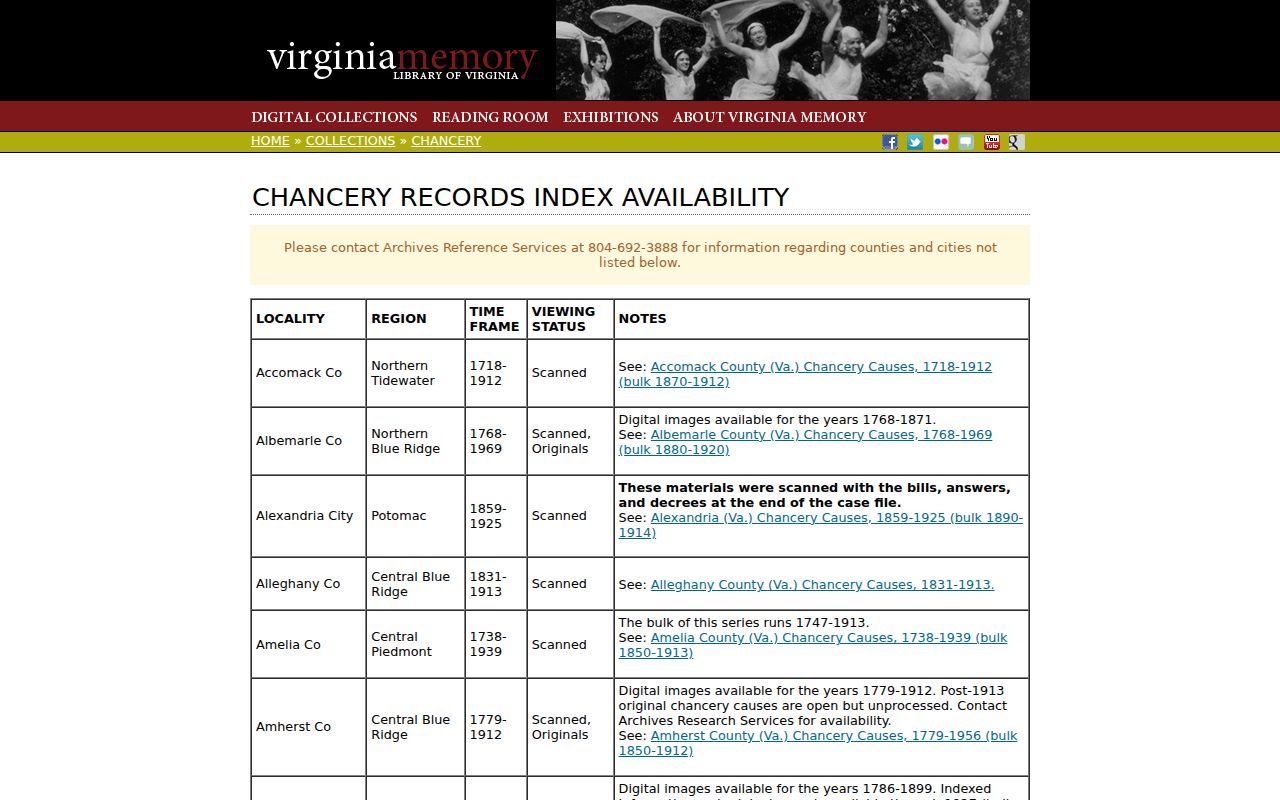
Read a court finding alongside the recorded instrument that eventually changed the parcel's ownership.
How Far Henrico Ownership Records Reach
Henrico's current SRA index does not state its earliest year in any official description. Archival holdings tell a fuller story. The Library of Virginia catalogs deed and will records from 1677. It also lists deed books from 1781. Grantor and grantee indexes run through 1907. Plat material runs through 1975. Those dates describe known catalog holdings, not guaranteed online image coverage.
For very old land, start with the Library of Virginia's microfilm guide. The Circuit Clerk's Record Room is another key stop. Henrico History Archives at 3812 Nine Mile Road and local library genealogy resources add context. Together these channels let you trace a house or tract through documented history. You can do it without guessing dates or inventing family links.
Research with care. Use Henrico's historical records to understand a property and its transfers. Do not use former-owner information to track, harass, threaten, or harm a living person.